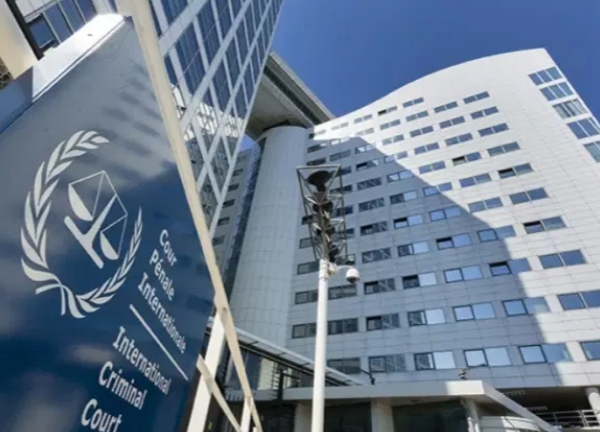
The International Criminal Court (ICC) has condemned sanctions imposed by the United States, describing them as an attempt to interfere with its operations and intimidate its officials and individuals cooperating with the institution.
The sanctions were announced by the US government on Friday, just hours after a former judge of the international court won the Nobel Peace Prize.
US Secretary of State Marco Rubio said President Donald Trump would not permit the ICC to prosecute American citizens.
“Either the ICC will end its threats, or we will end the ICC. We expect our allies, many of whom are part of the ICC and that rely on American servicemembers for their defence, to rein in the court,” Rubio stated.
In response, ICC President Tomoko Akane said in a video statement that the sanctions were designed to undermine the court’s activities and intimidate its personnel and those working with it.
However, she maintained that the measures would not prevent the institution from carrying out its responsibilities.
“The court, for its part, will not be deterred,” Akane declared.
She reaffirmed the ICC’s commitment to carrying out its mandate independently and impartially, stressing that its decisions would continue to be based on applicable laws and available evidence, with particular attention to victims of serious crimes.
Akane said the court would remain committed to delivering justice to countless victims of grave offences, regardless of the pressure it faced.
She also called on the ICC’s 125 member states to take concrete steps to ensure that the institution had sufficient resources to fulfil its obligations.
According to her, the dispute goes beyond the court itself and concerns the protection of an international system built on the rule of law.
Akane further warned that the sanctions raised serious questions about the future of international justice and the safety of individuals working to uphold it.
“No one should be punished for serving the cause of justice. History will judge this moment. Future generations, and above all the victims of mass atrocities, will ask how we responded when an institution created to protect them came under attack,” she said.
US sanctions generally prohibit American companies from conducting business with designated individuals or organisations. They can also place pressure on financial institutions, insurance providers and software companies to discontinue their relationships with those targeted.
Rubio, however, said the sanctions announced on Friday had been designed to leave room for negotiations and provide an opportunity to resolve the concerns raised by the US government.