Maria’s First Vote: A Lesson in Courage
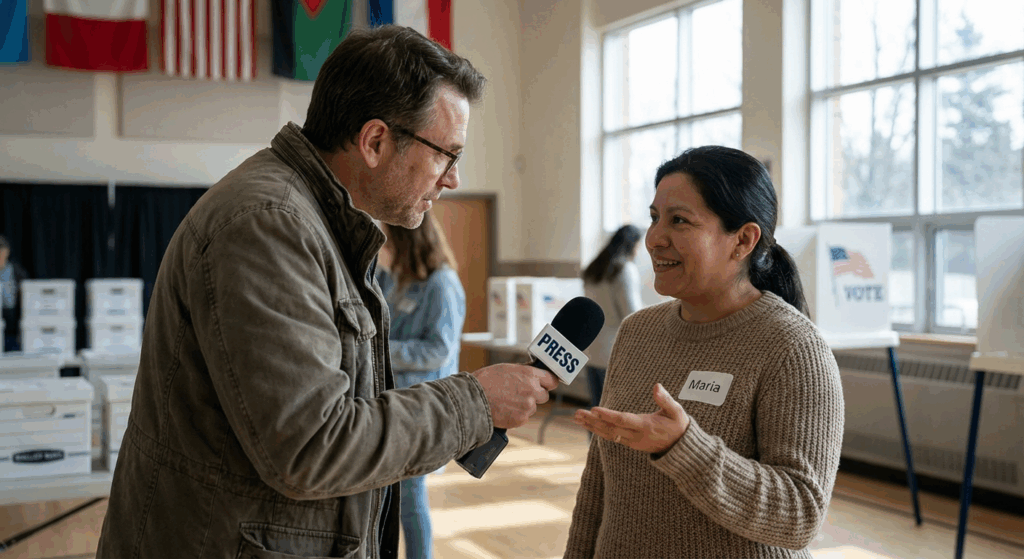
I had no idea that volunteering at a small town polling station could change the way I view democracy. I expected a quiet day of handing out flyers and guiding voters, but life had other plans.
Maria arrived mid-morning. She was small, with silver hair pulled into a neat bun, and a hesitant smile. As she approached the registration desk, she confided that she hadn’t voted in over 30 years. “I thought it didn’t matter,” she said, her voice trembling slightly. I could see a mix of fear and hope in her eyes. Something about her story stayed with me.
I spent the next hour walking her through the process, explaining the ballots, and answering her questions. By the time she stepped into the booth, her nervousness had transformed into determination. After she cast her vote, she hugged me, tears in her eyes, and whispered, “I feel like I finally belong.”
Later, I talked with young first-time voters, immigrant families, and students navigating a new political system. Each had their own story: challenges they faced, doubts they wrestled with, and dreams they carried. One student shared how volunteering at a local campaign taught her about leadership and responsibility. Another immigrant recounted the excitement of participating in an election for the first time in her life.
I realized that politics isn’t about parties or power; it’s about connection. It’s about giving people the tools and encouragement to have their voices heard. Watching Maria inspire her neighbors to vote, and seeing young adults engage in meaningful conversations, reminded me that the ripple effect of one small action can be monumental. 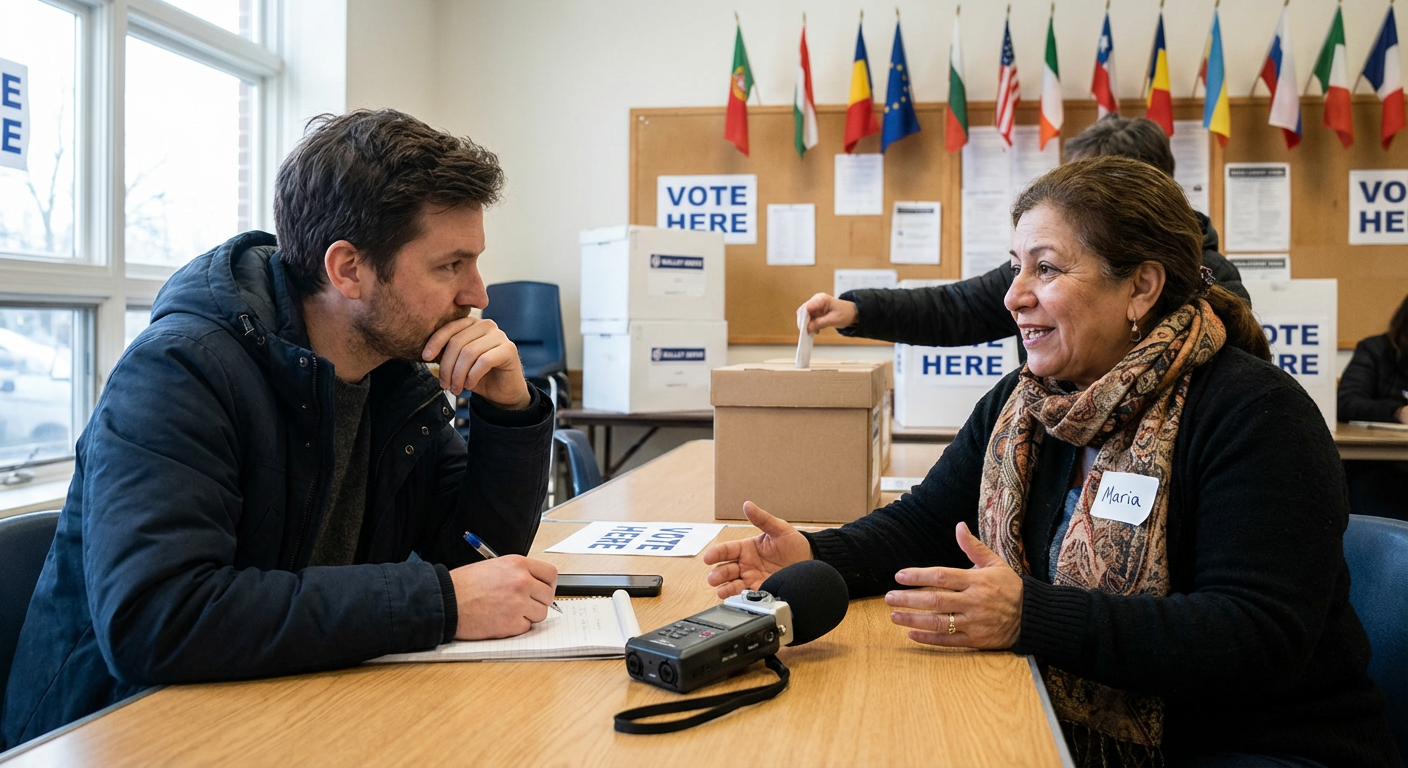
Writing about these experiences brought it all into sharper focus. I described the nervous anticipation of voters, the hum of conversation at the registration tables, and the small victories that often go unnoticed. Every story mattered — and together, they painted a portrait of a vibrant, engaged community.
By the end of the day, I understood why storytelling is so powerful in politics. Policies, speeches, and statistics can inform, but stories move, inspire, and connect. Maria’s courage, the students’ excitement, and the newcomers’ determination all reminded me that democracy thrives not on papers and procedures, but on real people and their experiences.
If you ever doubt the impact of one person, remember Maria. That day, a single vote represented more than choice; it represented hope, empowerment, and the enduring human spirit. And as a writer, sharing these stories gives others a chance to witness that magic, to feel inspired, and to realize that their actions, too, can create change.